If you crave the authentic taste of Italy, you’ll love making Artisan Neapolitan Pizza Dough right at home. This simple and savory recipe will guide you through each step, ensuring a dough that’s both easy to work with and full of flavor. With essential tips, ingredient swaps, and fun variations, you'll soon impress friends and family with your pizza-making skills. Ready to roll? Let’s jump into the delightful world of artisan pizza!
Why I Love This Recipe
- Authentic Flavor: This dough captures the true essence of Neapolitan pizza, providing a deliciously chewy crust that is both airy and crisp.
- Simple Ingredients: With just five basic ingredients, this recipe allows you to create restaurant-quality pizza right at home without any fancy additives.
- Versatile Uses: This dough can be easily adapted for various toppings, allowing you to customize your pizza experience for any occasion.
- Fun to Make: Kneading and shaping the dough is a hands-on experience that the whole family can enjoy, making pizza night a fun tradition!
Ingredients
Essential Ingredients for Artisan Neapolitan Pizza Dough
To make great Neapolitan pizza dough, you need just a few core items:
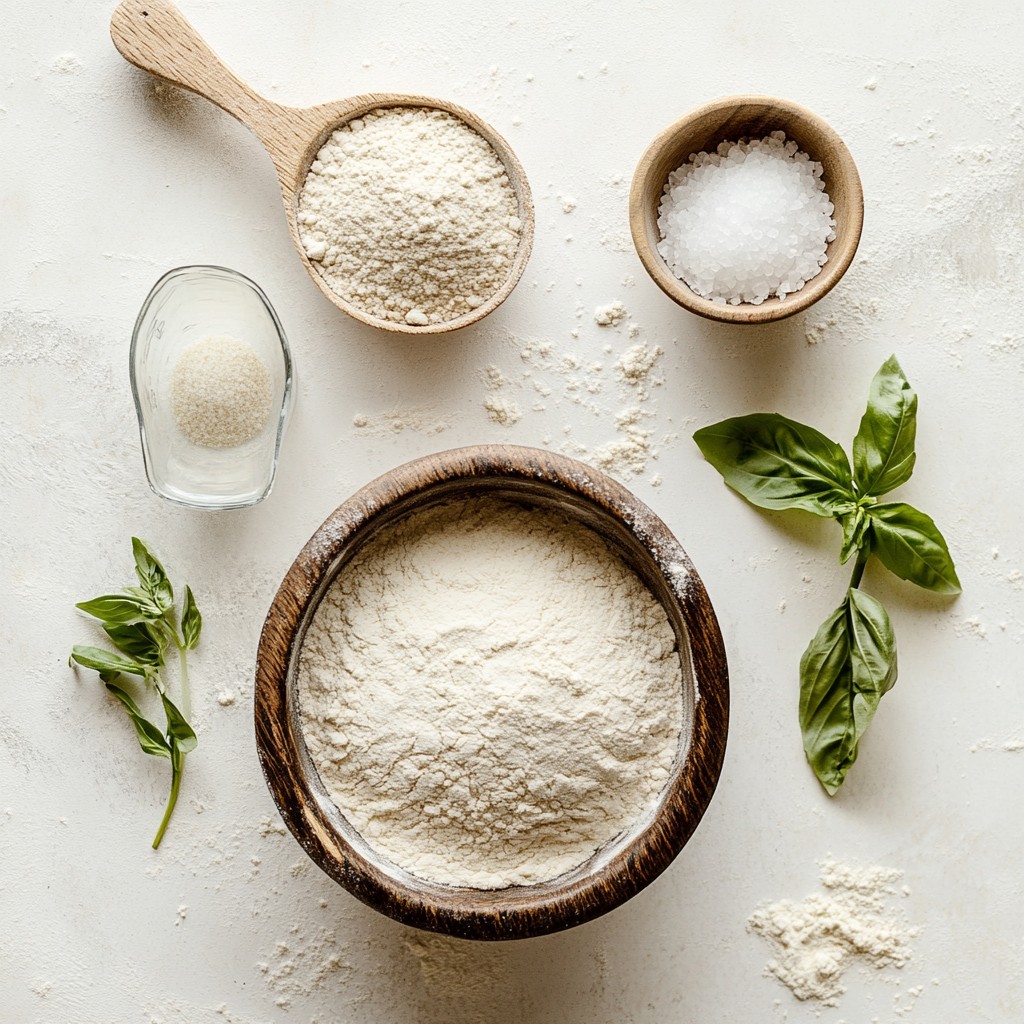
- 500g (4 cups) of 00 flour or all-purpose flour
- 325ml (1 ⅓ cups) of lukewarm water (about 110°F/43°C)
- 1 teaspoon of active dry yeast
- 1 teaspoon of sea salt
- 1 teaspoon of sugar
These ingredients create a perfect balance for your dough. The 00 flour gives it a nice texture. Lukewarm water activates the yeast. The sugar feeds the yeast to help it rise.
Optional Ingredients for Flavor Variation
If you want to spice things up, consider adding these items:
- Olive oil for a richer taste
- Fresh herbs like basil or oregano for extra flavor
- Garlic powder for a hint of zest
These add-ons can elevate your pizza. They help your dough stand out and add depth to the final dish.
Ingredient Substitutions
Do you need alternatives? Here are some easy swaps:
- Use bread flour instead of 00 flour for more chew.
- Substitute honey for sugar; it works great!
- If you are gluten-free, try a gluten-free flour blend.
These substitutes can help you customize your dough. They allow you to work with what you have on hand.
Step-by-Step Instructions
Preparing the Yeast Mixture
To start, grab a small bowl. Mix one teaspoon of sugar and one teaspoon of active dry yeast into 325ml of lukewarm water. The water should feel warm but not hot. Stir gently and let it sit for 5-10 minutes. You’ll see bubbles form. This means the yeast is alive and ready to work its magic.
Mixing the Dough
Next, take a large mixing bowl. Add 500g of 00 flour or all-purpose flour. Sprinkle one teaspoon of sea salt over the flour. Make a small well in the center, then pour in the frothy yeast mixture. Use a wooden spoon or your hands to mix. Gradually pull flour from the edges into the water. Soon, a shaggy dough will form.
Kneading Techniques
Now, transfer the dough to a lightly floured surface. It's time to knead! Push the dough with the heel of your hand, then fold it over. Turn it a quarter turn and repeat. Knead for about 8-10 minutes. The dough should feel smooth and a bit tacky. If it's sticky, sprinkle a little flour. This step helps develop gluten, making the crust chewy.
First Rise and Shaping the Dough
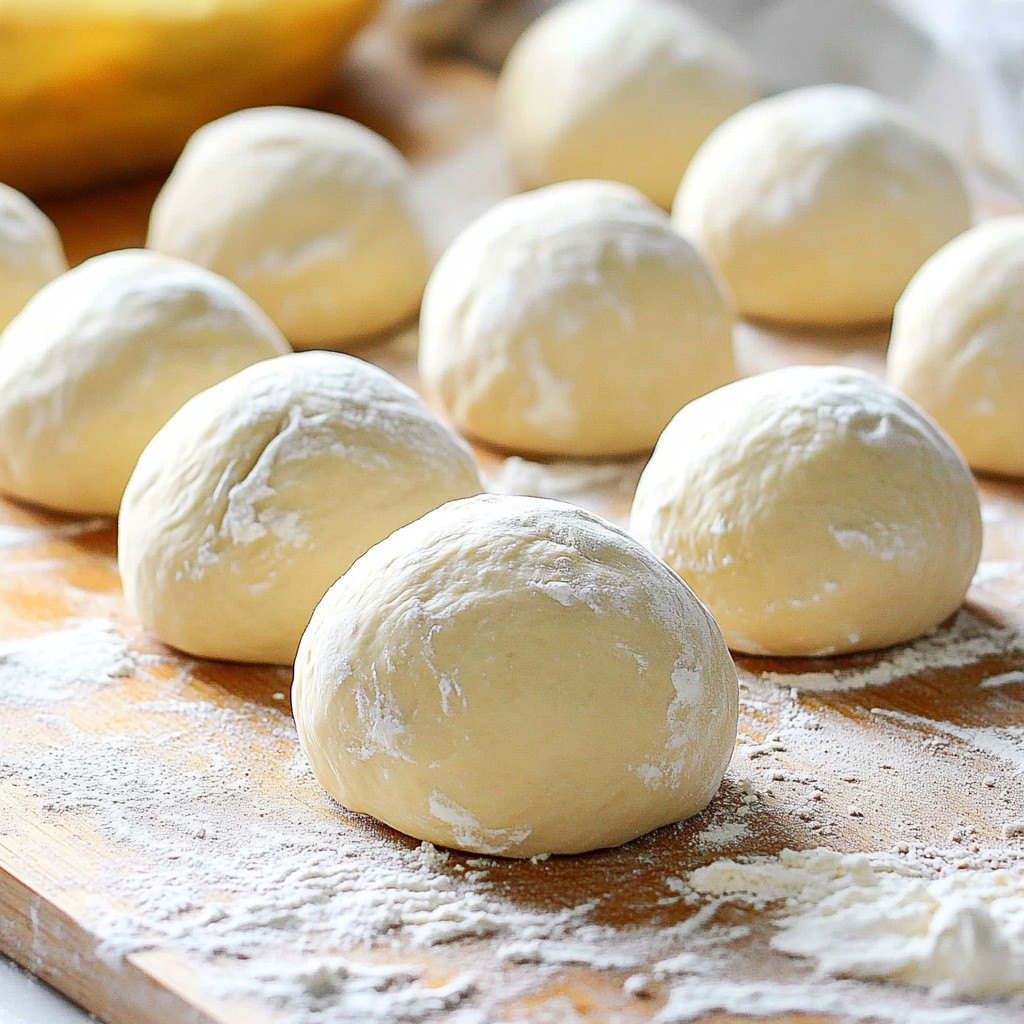
Place the kneaded dough into a lightly oiled bowl. Turn it to coat. Cover it with a damp cloth or plastic wrap. Put it in a warm spot to rise. Let it sit for 1-2 hours until it doubles in size. Once it’s risen, gently punch it down. This removes extra air. Divide the dough into 2-4 equal pieces. Shape each piece into a tight ball.
Prepping for Baking
Arrange the dough balls on a floured surface, leaving space between them. Cover with a cloth and let them rest for 30-60 minutes. This relaxes the dough. Meanwhile, preheat your oven to its highest setting, about 500°F. Dust a clean surface with flour when ready. Take one dough ball, stretch it out to a 10-12 inch round. Add your favorite sauce and toppings. Bake for 7-10 minutes. Keep an eye on it until the crust is golden brown and bubbly. Enjoy your delicious pizza!
Tips & Tricks
Achieving the Perfect Dough Texture
To get the right dough texture, knead well. Knead for 8-10 minutes. This makes the dough smooth and elastic. If the dough sticks too much, add flour slowly. Your goal is a slightly tacky dough. A well-kneaded dough will stretch easily without tearing.
Importance of Using 00 Flour
Using 00 flour is key for Neapolitan pizza. This flour is finely ground and has a high protein content. It gives the dough a nice stretch and chew. All-purpose flour works too, but it may not give the same results. For the best flavor and texture, I suggest sticking with 00 flour.
Common Mistakes to Avoid
Many people make a few common mistakes. First, don't skip the yeast proofing step. It helps the dough rise. Second, avoid over-kneading the dough. This can make it tough. Also, don’t rush the rising time. Give the dough time to double in size. Lastly, keep your oven hot. A hot oven helps create a crispy crust.
Techniques for Stretching Pizza Dough
When stretching your dough, be gentle. Start by pressing the dough into a flat circle. Use your fingers to push out from the center. Let gravity help you stretch it. If the dough shrinks back, let it rest for a few minutes. This relaxes the gluten, making it easier to shape. Aim for a thin base, about 10-12 inches wide.
Pro Tips
- Use High-Quality Flour: Opt for 00 flour for an authentic Neapolitan pizza texture. Its fine grind gives the dough a silky feel and helps achieve that perfect crust.
- Monitor Water Temperature: Ensure your water is lukewarm (around 110°F/43°C) for optimal yeast activation. Too hot, and you risk killing the yeast; too cold, and it won’t activate properly.
- Don't Rush the Rising: Allow the dough to rise until it has doubled in size. This slow fermentation process develops flavor and improves texture, resulting in a better pizza.
- Preheat Your Oven: Make sure your oven is at its highest setting before baking. A hot oven creates a crispy crust and perfectly melted toppings—ideal for that artisan touch.
Variations
Whole Wheat Neapolitan Pizza Dough
You can make a whole wheat version of Neapolitan pizza dough. Use 250g of whole wheat flour and 250g of 00 flour. This mix gives you a nutty flavor and more fiber. The steps remain the same as the classic dough. Just remember, whole wheat flour absorbs more water. You may need to add a bit more lukewarm water.
Gluten-Free Options
If you need a gluten-free dough, choose a gluten-free flour blend. Look for blends that contain xanthan gum or guar gum. These help mimic the stretchy nature of gluten. Mix the gluten-free flour with the same amount of water and follow the same steps. The dough may feel different, but it will still taste great!
Herb-Infused Dough Recipes
For a tasty twist, infuse your dough with herbs. You can add dried oregano, basil, or garlic powder to the flour. Mix about 1 tablespoon of the herb into the dry ingredients. This adds flavor right into the crust. You can also sprinkle fresh herbs on top before baking for an extra burst of taste. Enjoy your artisanal pizza with this fun twist!
Storage Info
How to Store Unbaked Dough
Keep unbaked dough in the fridge. Wrap it tightly in plastic wrap. Place it in an airtight container. This way, it stays fresh for up to three days. When ready to use, let it warm up. Take it out about 30 minutes before baking. This helps the dough rise again.
Freezing Techniques for Long-Term Storage
To freeze dough, first shape it into balls. Wrap each ball in plastic wrap. Place wrapped dough in a freezer bag. Make sure to remove as much air as possible. You can freeze it for up to three months. When you want to use it, thaw it in the fridge overnight. Let it sit out for 30 minutes before working with it.
Best Practices for Storing Baked Pizzas
Store leftover baked pizzas in a cool place. Place them in an airtight container. You can also wrap slices tightly in foil. Keep them in the fridge for up to three days. To reheat, warm them in the oven. Set the oven to 375°F (190°C) and bake for 10 minutes. This keeps the crust crispy and the cheese melty.
FAQs
What is the Best Flour for Neapolitan Pizza Dough?
The best flour for Neapolitan pizza dough is 00 flour. This flour has a fine grind and high protein content. It gives the dough a chewy texture and crisp crust. You can also use all-purpose flour, but the result may differ slightly.
How Long Should I Let My Dough Rise?
Let your dough rise for 1-2 hours. The dough should double in size during this time. A warm, draft-free spot is perfect for rising. After the first rise, you can let it rest again for 30-60 minutes before shaping.
Can I Make Neapolitan Pizza Dough in Advance?
Yes, you can make the dough in advance. After the first rise, shape it into balls. Then, wrap each ball tightly in plastic wrap. You can store them in the fridge for up to three days. Just remember to let them come to room temperature before using.
What Oven Temperature is Ideal for Baking Pizza?
The ideal oven temperature for baking pizza is around 500°F (260°C). This high heat helps create a crispy crust. If you use a pizza stone or steel, preheat it in the oven for the best results.
How Do I Know When My Pizza is Done?
You know your pizza is done when the crust is golden brown and bubbly. Bake it for 7-10 minutes. Keep an eye on it to avoid burning. The cheese should be melted and slightly browned for the perfect finish.
Making artisan Neapolitan pizza dough is a fun and rewarding process. You learned about essential and optional ingredients, along with smart substitutes. We covered each step from making the yeast mixture to baking your pizza. I also shared tips for perfecting the dough’s texture and avoiding common mistakes.
Experiment with variations like whole wheat or gluten-free options. Proper storage ensures your dough stays fresh for longer. Enjoy your pizza-making journey!